
Broadcast — sports
Diagnose before replacing — TSN’s virtual studio
An existing virtual studio brought up to its full potential — by fixing what was wrong, not by replacing what worked.
- Client
- Bell Media (TSN)
- Industry
- Broadcast — sports
- Location
- Toronto
- Services
- Virtual production and virtual studios · AV and broadcast integration
- Equipment
- Aximmetry · Graphics workstations · Chroma key green screen
- Outcome
- An existing virtual studio brought up to its full potential — by fixing what was wrong, not by replacing what worked.
The context
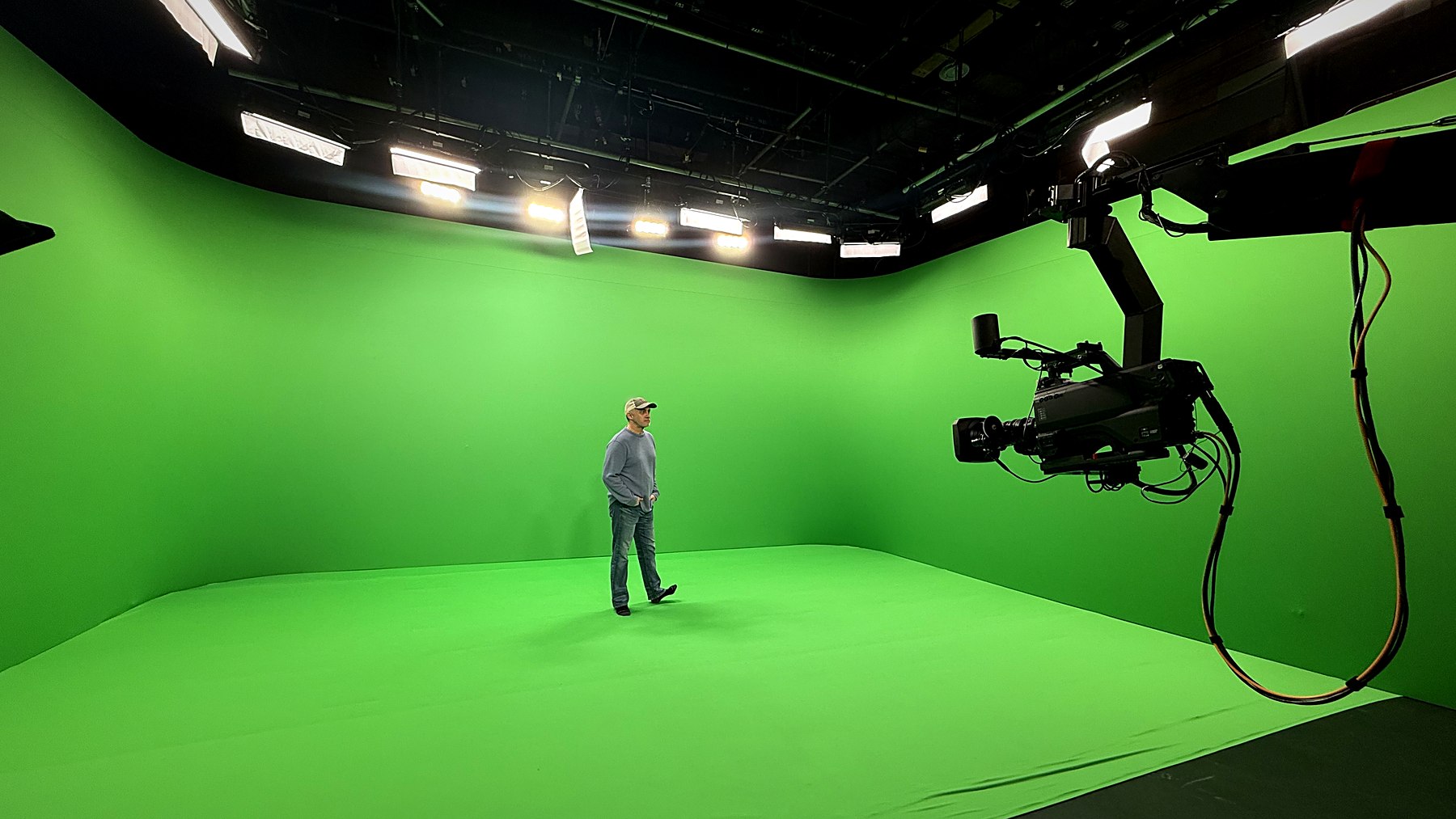
TSN operates a virtual studio in Toronto for its sports programming. The system had been in place for a while — and it had never delivered what a virtual studio is supposed to deliver. Keying artifacts, results that didn’t hold up on air, a tool the teams had learned to work around rather than with.
Bell Media already knew us from our broadcast work in Montreal. They asked us to look at it.
The constraint
The easy answer would have been a proposal for a brand-new studio. That’s the answer the client had already heard, and it’s the one that costs the most while explaining the least.
The real question was harder: what, exactly, in the existing chain was preventing this studio from working? Answering it meant being willing to conclude that most of the equipment in place was fine — and that there was no big system to sell.
What we did
We diagnosed the chain end to end, from the physical set to the rendering engine. The core problem wasn’t in the software or the cameras: it was the green screen itself — the foundation every virtual studio stands on. A key that fights its backdrop will fail no matter what you put behind it.
We replaced the cyclorama, corrected the conditions around it, and rebuilt the keying on a clean base. Then we added targeted capacity where the system was actually short: Aximmetry graphics workstations to carry the rendering the studio was designed for.
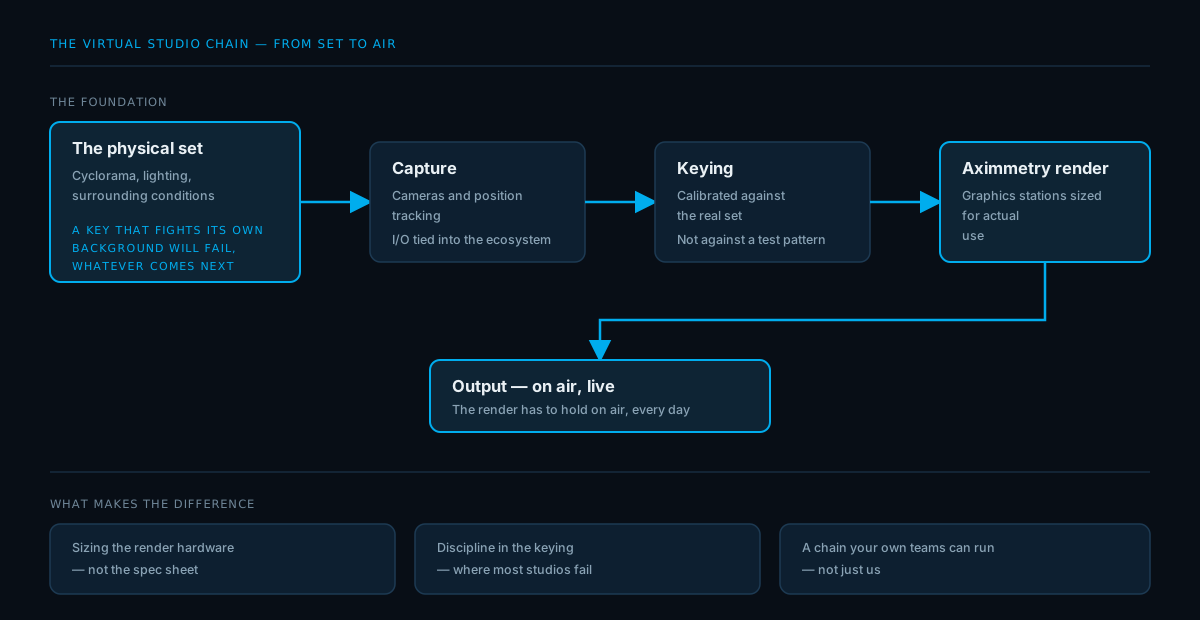 The diagnosis followed this entire chain — the problem was in the very first box.
Everything that worked, stayed.
The result
The studio now does what it was built to do. TSN got there by paying for a diagnosis and a fix — not for a second studio on top of the first one.
This is how we work in Toronto, the same way we work in Montreal: the answer isn’t always new equipment. Sometimes it’s knowing which part of the chain is lying to you.
Describe what you need to do, not what you think you need to buy. We point you to the right person at DXM, and we say so when it isn’t for us.
Phone : 514 447-4860
Email : info@dxmtech.com