Home / Services / AI integration for business
Analysis · Automation
Business process automation
We do the same thing three times, in three systems.
The most common symptom
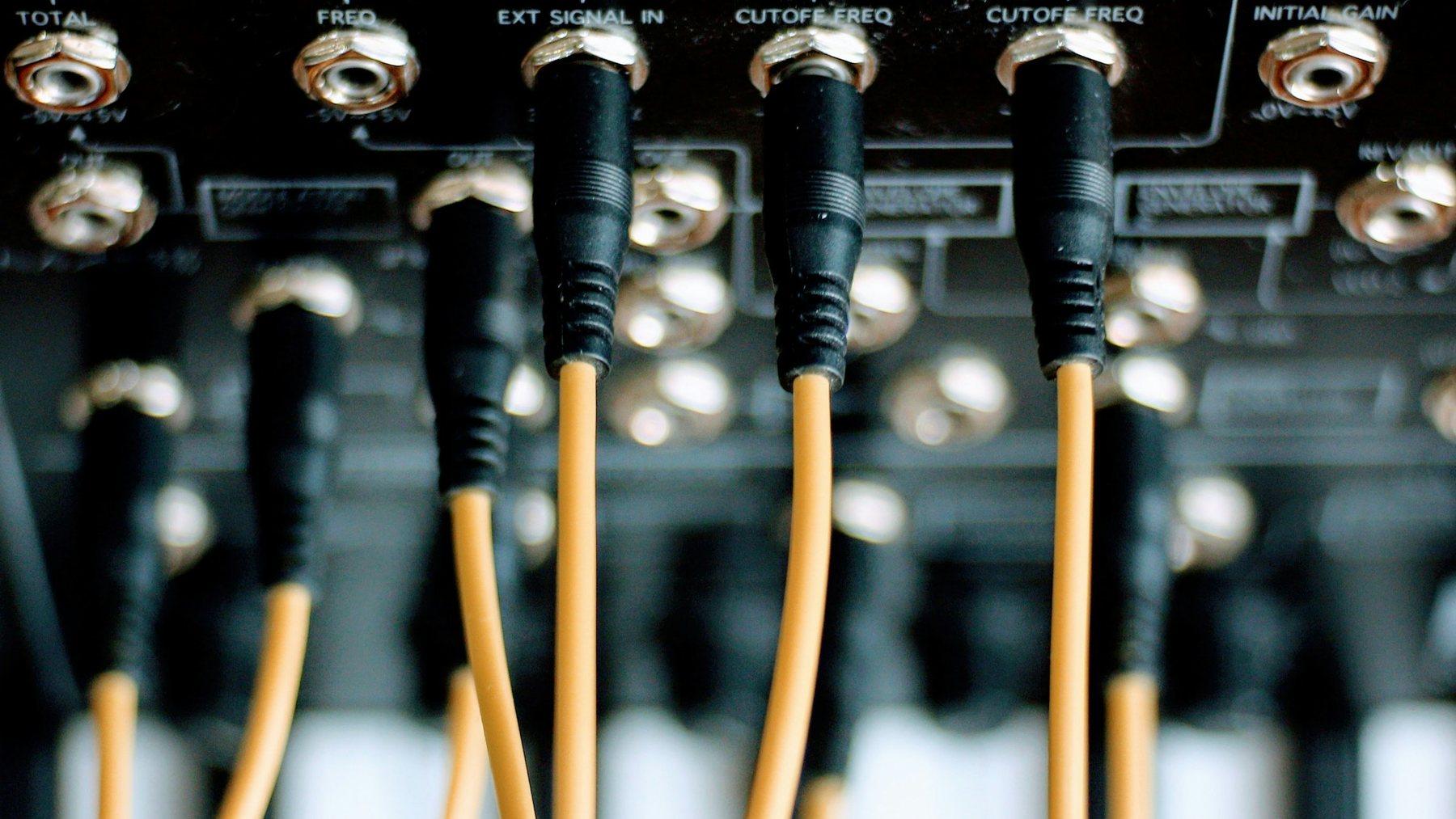
An order comes in. Someone enters it in the sales system. Someone else retypes it into inventory. A third person copies it into accounting. Every step is a chance to get it wrong, and nobody has the full picture until the end.
This isn’t poor organization. It’s what happens when a company grows and stacks up tools that were never designed to talk to each other.
What automates well
Double entry. Data entered once, available everywhere it’s needed.
Transfers between systems. Your CRM and your accounting. Your inventory and your website. Your ticketing system and your billing.
Reminders and follow-ups. A quote with no answer in ten days, an invoice nearing its due date, a service contract coming up for renewal.
Recurring reports. The one somebody builds by hand every Monday morning.
Approvals. A request that goes to the right person, with the information they need to decide, and a record of who approved what.
Document capture. Supplier invoices, delivery slips, forms. The information comes out structured and goes where it belongs.
What automates poorly
Decisions that require judgment. An exception that comes up once a month and is different every time. A process nobody in the company describes the same way.
When we run into that, we say so. Automating a broken process gives you a broken process that runs faster.
How we work
We observe. We sit next to the people doing the work. One day of watching is worth ten meetings about processes.
We target. We come out with a list of what repeats, ranked by how much time it eats. We start at the top of that list, not with what’s easiest to program.
We build small. One process at a time, put into service and proven before moving to the next. A large automation project that lands all at once is a large project that fails all at once.
We measure. Before and after. If the time saved doesn’t show up, we missed and we fix it.
We document and train. You have to be able to operate what we leave behind. A system only the vendor understands is a dependency, not a solution.
What actually changes
The gain is almost never the one you expected. Companies think they’re saving time — true, but that’s not the main thing.
What changes most is that information becomes reliable. When a piece of data lives in one place, there’s no longer a version contradicting another. Decisions get made on numbers everyone trusts.
And people stop doing work that never needed a human.
Our own case
Here, a quote goes out, the purchase order builds itself, receiving happens, the invoice comes out. Nobody retypes anything from one system to another. The whole team works in it every day.
We built it for ourselves before offering it to anyone else.
Describe what you need to do, not what you think you need to buy. We point you to the right person at DXM, and we say so when it isn’t for us.
Phone : 514 447-4860
Email : info@dxmtech.com